Secret Servers, Serious Collectors: Inside the Private Discord Communities Reshaping Pokémon Trading

If you've spent any time trying to buy or sell Pokémon cards through public platforms lately, you already know the drill. eBay fees eat into your margins. Facebook Marketplace is a scam minefield. Reddit threads move fast and forget faster. And don't even get started on the comment sections of major Pokémon social media pages, where lowball offers and fake card photos have practically become a rite of passage.
So where are the serious collectors actually doing business? Increasingly, the answer is somewhere you can't just Google your way into: private Discord servers.
These invite-only communities have quietly evolved into something far more sophisticated than a group chat. They're functioning ecosystems — part trading floor, part authentication lab, part storage advice forum — and they're changing the way dedicated collectors operate in the US and beyond.
Why Public Platforms Stopped Working for Serious Collectors
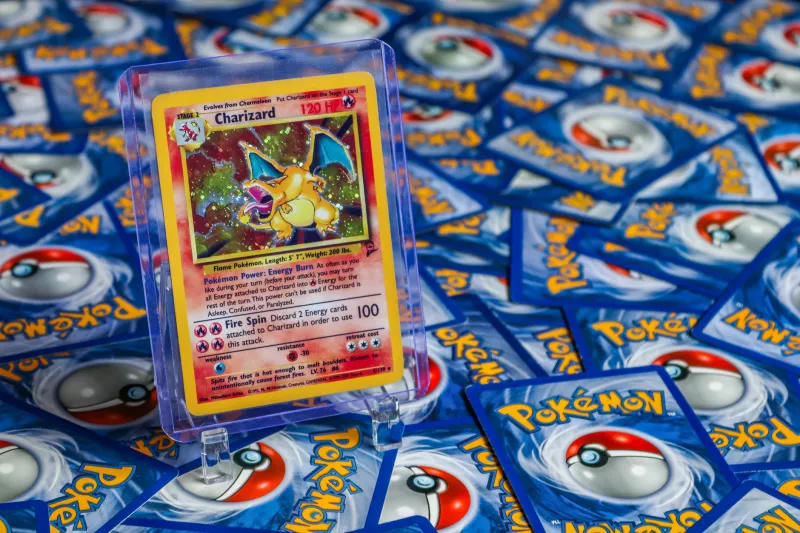
It's worth understanding what drove collectors off the public grid in the first place. The Pokémon card market exploded in 2020 and never fully cooled down. That surge brought in a wave of new buyers, which was great for the hobby overall — but it also attracted scalpers, counterfeiters, and opportunists who had zero attachment to the community.
Public trading spaces got noisy fast. Price manipulation became common. Fake cards — which have gotten genuinely frightening in quality, by the way — started slipping through deals on platforms that offered little recourse. And the signal-to-noise ratio in most open forums dropped to the point where getting a straight answer about a card's actual market value felt like pulling teeth.
Collectors who'd been in the game for years started doing what communities always do when public spaces get too messy: they went private.
What These Servers Actually Look Like
No two private collecting Discords are exactly alike, but the well-run ones tend to share a recognizable structure. Most use a vetting process before granting full access — sometimes as simple as a referral from an existing member, sometimes involving a brief application or a showcase of your current collection to establish credibility.
Once you're in, you'll typically find dedicated channels for different functions. There's usually a price-check channel where members post cards and get real-time community consensus on value, drawing from recent eBay sold listings, PSA population reports, and first-hand trading experience. There's often a trade or sell channel with its own set of rules — clear photo requirements, rep systems, and sometimes escrow-style arrangements for high-value deals.
Authentication channels have become especially valuable. Members post detailed photos of cards they're unsure about, and the collective knowledge of a tight community — people who've handled thousands of cards — can often spot a fake in minutes. It's not foolproof, but it's faster and more personal than any automated tool.
And then there's the storage and display advice that flows naturally through general chat. Where to source the best penny sleeves in bulk. Which binder brands are actually archival-safe. How to climate-control a collection room on a budget. This kind of practical, experience-based knowledge is hard to find through search engines and almost impossible to get from a retail store employee.
The Rep System: How Trust Gets Built
One of the most interesting developments in these communities is the emergence of informal reputation systems. Since most members are trading significant money's worth of cards, trust is everything. Many servers maintain a dedicated feedback or vouches channel where completed trades are logged publicly within the server. Buyers and sellers leave brief, honest notes — similar to eBay feedback but without the platform's incentive to suppress negative reviews.
Over time, a strong rep in a respected server carries real weight. It's essentially a portable credibility score that follows you across the community. Some servers even have tiered membership levels based on trading history, unlocking access to higher-value trade channels as your reputation grows.
This self-policing model isn't perfect, but it's produced something that public platforms rarely achieve: genuine accountability between strangers.
Finding Your Way In (Without Being Weird About It)
Here's the honest truth — you can't just knock on the door of a private server and expect to be welcomed in. These communities are private for a reason, and the fastest way to get ignored is to slide into someone's DMs demanding an invite.
The legitimate path is slower but more reliable. Start by building a visible, genuine presence in the broader Pokémon collecting community. Participate thoughtfully in public subreddits like r/PokemonTCG or r/pkmntcgtrades. Show your collection on social media. Go to local card shows and league events. Over time, you'll naturally encounter people who are plugged into private networks, and if you've demonstrated that you're a real collector acting in good faith, invitations tend to follow organically.
It also helps to be specific about what you're looking for. There are private servers organized around vintage Base Set collecting, others focused entirely on competitive play, some dedicated to specific card grades or conditions, and niche communities built around regional Pokémon variants or foreign-language sets. Knowing your lane makes it easier to find the right door.
What Newcomers Should Keep in Mind
If you do get access to one of these communities, a few things are worth keeping in mind before you dive in.
Read the rules carefully and follow them precisely. These servers exist because their founders put in serious work to build something functional and trustworthy. Showing up and ignoring posted guidelines — even minor ones — is a quick way to lose access.
Lurk before you leap. Spend time in the channels before posting. Get a feel for the community's culture, its pricing norms, and how members interact. Every server has its own personality.
Don't overpromise on trades. If you agree to a deal, follow through. Your reputation is the only currency that matters in these spaces, and it takes time to build and seconds to lose.
And finally, bring something to the table. The best private communities thrive because members contribute — whether that's sharing knowledge, posting useful price data, or just being the kind of person others enjoy trading with. If you're only there to extract value without giving anything back, it shows.
The Bigger Picture
What's happening in these private Discord servers isn't just a niche trend among hardcore collectors. It's a signal that the Pokémon collecting community is maturing. The people who care most about this hobby are building the infrastructure they need because the public internet — for all its reach — can't always deliver the trust, expertise, and accountability that serious collecting demands.
For collectors who've been frustrated by the noise and risk of open platforms, these private communities represent something genuinely valuable: a space where the cards matter as much as the people holding them. Finding your way into the right one might just be the best upgrade your collection never knew it needed.