That Childhood Pull Is Lying to You: The Real Market Value Behind Your Most Treasured Cards
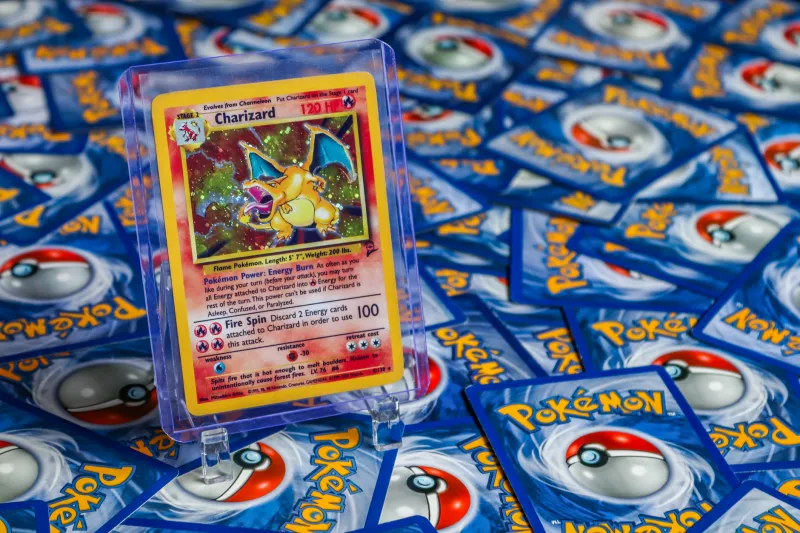
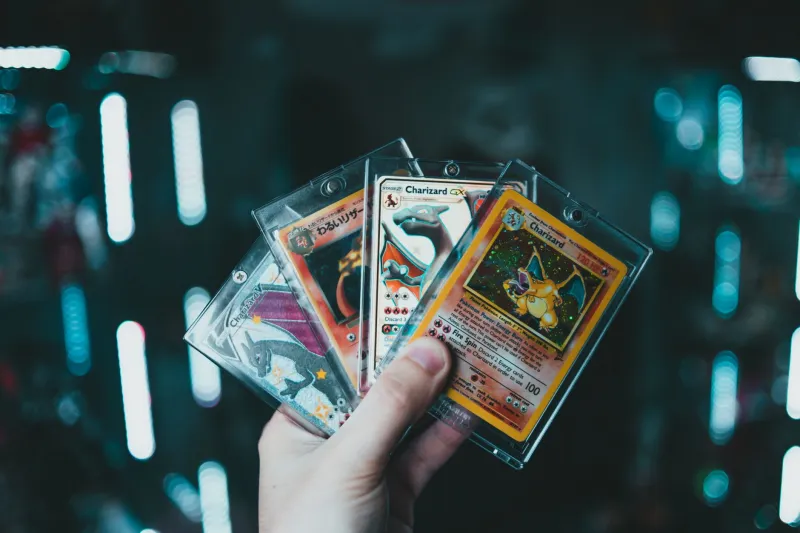
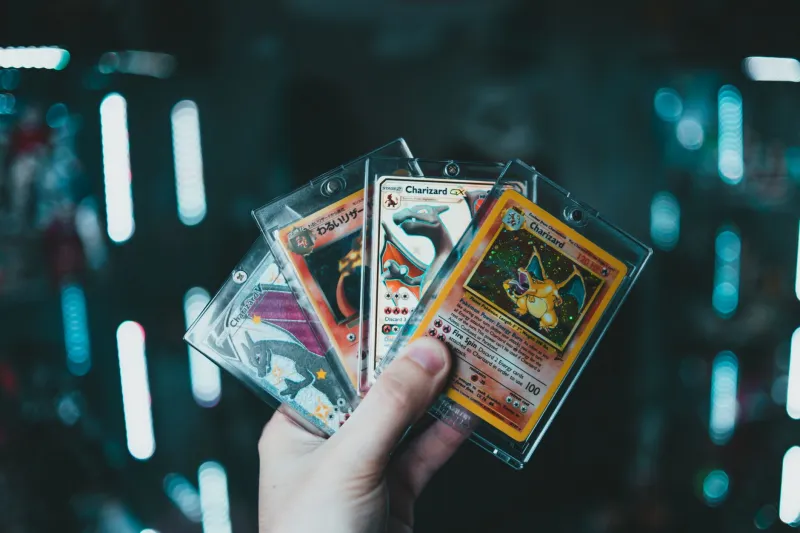
Let's paint a familiar picture. You're digging through a box in your parents' basement, and there it is — that Charizard, that holographic Raichu, that Blastoise you pulled at a birthday party in third grade. Your heart does a little flip. You immediately start doing math in your head, convinced you're holding something worth serious money.
Then you check eBay.
Ouch.
This is the nostalgia trap, and it catches collectors — new and veteran alike — more often than anyone wants to admit. The emotional weight of a card and its actual dollar value are two completely different things, and confusing the two can cost you real money, missed opportunities, and a whole lot of frustration. Let's break down why our memories lie to us and how to build a smarter framework for evaluating what you've actually got.
Why Our Brains Are Terrible at Appraising Cards
Human memory isn't a recording — it's a reconstruction. Every time you revisit a memory, your brain subtly rewrites it, adding emotional color and significance that may not have been there originally. Psychologists call this "memory reconsolidation," and for Pokémon collectors, it plays out in a very specific way.
When you remember pulling a card as a kid, your brain bundles that memory with everything around it — the excitement, the smell of the cardboard, the friend sitting next to you, the rush of the reveal. That context makes the card feel rare and special, even if it was a common that came three to a pack. The card becomes a symbol of something larger, and that symbol carries emotional value your brain naturally translates into assumed financial value.
Marketing doesn't help either. Pokémon's branding has always leaned hard into the idea that every card is a potential treasure, every pack a potential jackpot. That messaging gets baked into us young, and it sticks around long after we're old enough to know better.
The Commons That Feel Legendary
Here's where it gets uncomfortable: some of the most emotionally significant cards in collectors' memories are, objectively, worth very little on the open market.
Take the original Base Set Rattata, for example. For a certain generation of collectors, that little purple rat was everywhere — it showed up in trade binders, in lunch bags, tucked into birthday cards. Some people have a genuine soft spot for it. On the secondary market, though, a near-mint Base Set Rattata in ungraded condition typically sells for less than a dollar. Sometimes significantly less.
Or consider the Jungle set's Pikachu. It's a Pikachu — the mascot, the icon, the face of the entire franchise. Surely it's worth something, right? Ungraded, played-condition copies regularly move for under two dollars. Even a PSA 9 graded copy rarely breaks fifteen.
None of this means those cards should be emotionally meaningless. What it does mean is that nostalgia has a way of assigning rarity to abundance. If a card was everywhere when you were a kid, it was everywhere for a reason — because it wasn't rare. That hasn't changed.
The "I Remember It Being Hard to Find" Fallacy
One of the most common distortions collectors experience is mistaking personal scarcity for actual scarcity. Maybe you only ever pulled one Gengar as a kid. Maybe your local card shop sold out of a particular set before you could get your hands on it. Those personal experiences create a false sense of rarity around cards that were, in reality, printed in massive quantities.
The Fossil set's Haunter is a great case study here. It's spooky, it's cool, it's the pre-evolution of a beloved Pokémon. Collectors who grew up during the original era often remember Haunter as something elusive. The market, though, reflects the truth: Haunter from Fossil is an uncommon that shows up in bulk lots constantly and rarely commands more than a few dollars even in excellent condition.
Contrast that with something like a 1st Edition Shadowless Base Set Charizard, where actual print run limitations and genuine collector demand align to create real, sustained value. The difference isn't just rarity — it's the intersection of rarity, demand, condition sensitivity, and cultural staying power. Most cards only hit one or two of those marks.
How to Actually Evaluate What You Have
So how do you separate the heart from the head when you're going through your collection? Here's a straightforward framework that works whether you've got ten cards or ten thousand.
Step one: Check sold listings, not asking prices. On eBay, filter for "sold" items rather than active listings. Anyone can list a card for $500 — what matters is what people actually paid. This single habit will recalibrate your expectations faster than anything else.
Step two: Condition is everything, and you're probably grading yours too generously. Most cards pulled from childhood collections have some level of wear — whitening on edges, surface scratches, soft corners. A card you remember as pristine may grade as played or poor by professional standards, which dramatically affects value. Be honest with yourself before you're surprised by a grader.
Step three: Separate your "keep" pile from your "sell" pile mentally before you ever look at prices. If a card has genuine sentimental value to you, that's completely valid — but decide that first, before the market tells you it's worth three cents. Otherwise you'll rationalize keeping everything because it "must be worth something."
Step four: Research set print runs and edition markings. 1st Edition stamps, shadowless prints, and error cards all carry premiums that standard unlimited printings don't. Two cards that look nearly identical can have wildly different values based on these details. Learn to spot them.
Step five: Use multiple sources. TCGPlayer, PriceCharting, and eBay sold listings can all give you slightly different data points. Cross-reference them. A single high sale can skew your perception — look for the median, not the outlier.
Sentimental Value Is Real — Just Keep It Separate
None of this is an argument for stripping the joy out of collecting. Pokémon cards are, at their core, objects tied to memory and identity for millions of people. The sentimental value of your childhood Raichu is 100% real — it just lives in a different account than your financial value.
The collectors who navigate this best are the ones who've made peace with holding both things at once. They can look at a card, acknowledge that it means something personal to them, and also accurately assess that it's a $1.50 card on the open market. That clarity doesn't diminish the emotional connection — it just prevents bad decisions.
Knowing what you have, and what it's actually worth, is what separates a collection you're proud of from a pile of plastic you're emotionally hostage to.
Your memories are priceless. Your Rattata, unfortunately, is not.