Dust Off Those Bulk Boxes: The Pokémon Card Sets Quietly Exploding in Value Right Now
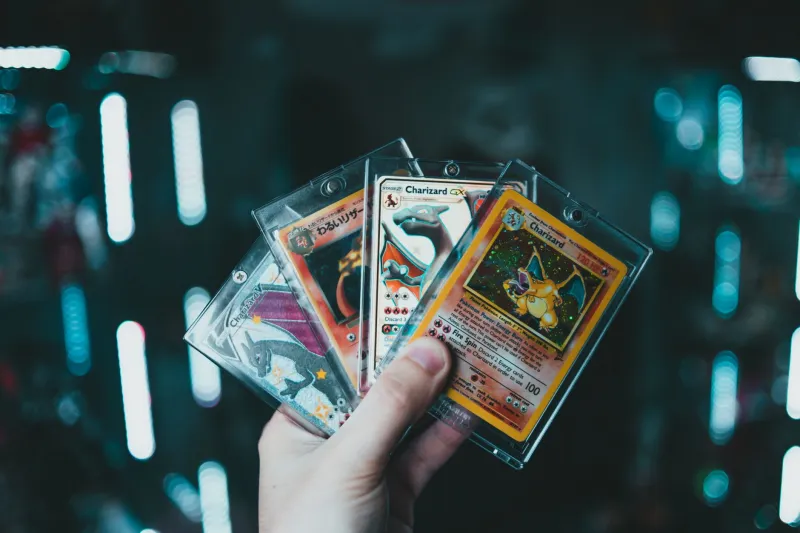
Let's be honest — most of us have a box somewhere. Maybe it's under the bed, maybe it's in a plastic tub in the garage, maybe your mom still has it in the attic back in Ohio. It's full of cards you pulled in middle school, traded at lunch, or bought from a gas station spinner rack on a road trip. You wrote them off years ago as worthless bulk. Just cardboard.
Here's the thing: that cardboard is having a moment.
2025 is shaping up to be a genuinely interesting year for Pokémon collectors, and a big part of the story isn't about shiny new Scarlet & Violet pulls or graded PSA 10 investments. It's about the forgotten middle ground — the mid-era sets, the overlooked commons, the "junk" rares — finally getting their due. If you haven't cracked open your old collection in a while, this might be the push you needed.
What's Actually Driving the Resurgence?
A few things have converged to make this moment happen, and none of them are accidental.
First, the post-pandemic card boom cooled off. After the wild price spikes of 2020 and 2021, the market corrected hard. A lot of casual buyers stepped back, and the speculative flippers who drove prices into the stratosphere moved on to other things. What that correction actually did — quietly, without much fanfare — was reset the floor on a huge range of cards that had been artificially inflated. Now those same cards are climbing again, but this time the demand is coming from a more stable place: actual collectors and players who want them.
Second, a new wave of nostalgia is hitting. The kids who were in elementary school during the HeartGold/SoulSilver and Black & White eras are in their mid-to-late twenties now. They have disposable income, they're on TikTok watching pack opening videos, and they're hunting for the cards they remember — not the ones that were already expensive. That's creating real demand for sets that serious collectors have historically dismissed.
Third, the grading industry has matured enough that even mid-tier cards are worth evaluating. You don't need a Base Set Charizard to make grading worthwhile anymore. Certain cards from sets like Platinum, Rising Rivals, and even some of the XY-era expansions are grading well and fetching prices that would've seemed absurd three years ago.
Which Sets Are Worth Your Attention?
Not every bulk box is a goldmine, but some eras are showing more traction than others right now.
HGSS and Black & White Era (2010–2013): This is probably the biggest opportunity hiding in plain sight. Cards from HeartGold SoulSilver, Triumphant, Emerging Powers, and Noble Victories were printed in massive quantities and largely ignored by the grading community. But collector interest is surging — especially for full-art Legendaries and certain Prime cards — and raw copies in good condition are still findable at bulk prices if you know where to look.
EX Series (2003–2007): Ruby & Sapphire through Power Keepers. These sets get overshadowed by the vintage era on one end and the modern era on the other. But EX Pokémon cards — the oversized holos with the distinctive artwork — are genuinely beautiful, and a growing segment of collectors is starting to appreciate them as an undervalued chapter of the hobby's history.
Platinum Series (2009): Arceus, Supreme Victors, Rising Rivals — these sets have quietly become a favorite among collectors who want vintage-adjacent cards without vintage prices. Supply is tighter than people realize, and condition-sensitive cards from this era are getting harder to find in clean shape.
XY Base and Flashfire (2014–2015): Early XY cards are starting to age into nostalgia territory for a lot of collectors. Mega Evolutions in particular are getting a second look, and some of the full-art trainers from this era are pulling real numbers on the secondary market.
How to Actually Audit Your Old Collection
Okay, so you've got a box. Where do you even start?
Sort by set first. Before you get excited about individual cards, figure out what you actually have. Use the set symbol on the bottom right of each card to identify the expansion. Apps like TCGplayer and Pokellector make this way easier than it used to be — you can scan cards or browse set lists to match them up.
Condition check everything. This is where a lot of people get tripped up. A card that's worth $40 raw is worth $0 if the corners are trashed and the surface is scratched. Be honest with yourself. Hold cards up to a light source and look for print lines, whitening on edges, and surface scuffs. Cards that genuinely look unplayed are the ones worth your time.
Cross-reference current market prices — not historical ones. TCGplayer's recent sales data is your best friend here. Don't rely on what you remember cards being worth, or what some old price guide says. Look at what actually sold in the last 30 to 90 days.
Flag your grading candidates separately. If you find cards in genuinely excellent condition from any of the eras mentioned above, set them aside. Get a feel for what a PSA 8 or 9 version of that card is selling for, factor in grading fees (currently around $25–$50 per card depending on the service tier), and decide if the math makes sense.
The Psychology of the "Forgotten" Card
There's something interesting going on beyond just market mechanics here. Part of what's driving renewed interest in overlooked cards is a collector backlash against the hyper-premium end of the hobby.
When every conversation about Pokémon cards revolves around six-figure Base Set Charizards and PSA 10 population reports, it starts to feel exclusionary. A lot of collectors — especially younger ones getting into the hobby now — don't want to play in that sandbox. They want cards that feel personal, that connect to their own memories, that they can actually afford to track down and hold in their hands.
Bulk-era cards scratch that itch perfectly. There's a thrill in finding a Near Mint Umbreon Prime in a $10 lot that you just can't replicate buying a graded slab off eBay. The hunt matters. The story matters. And right now, the market is catching up to that emotional reality.
Don't Wait on This One
Here's the honest take: the window on some of these cards won't stay open forever. As more collectors start paying attention to HGSS and early XY, the easy finds will dry up. The bulk lots that still have gems in them will get picked over. The prices will rise to reflect the actual demand.
You don't need to turn your old collection into a full-time investment portfolio. But if you've got a box gathering dust somewhere, 2025 is genuinely a smart time to see what's in it. The worst case is you spend an afternoon sorting cards and end up with a nostalgia trip. The best case? You find something that makes you very glad you didn't toss that box years ago.
Go check the attic.