From Hobby Boxes to Hard Assets: How Pokémon Cards Quietly Became a Serious Investment Play
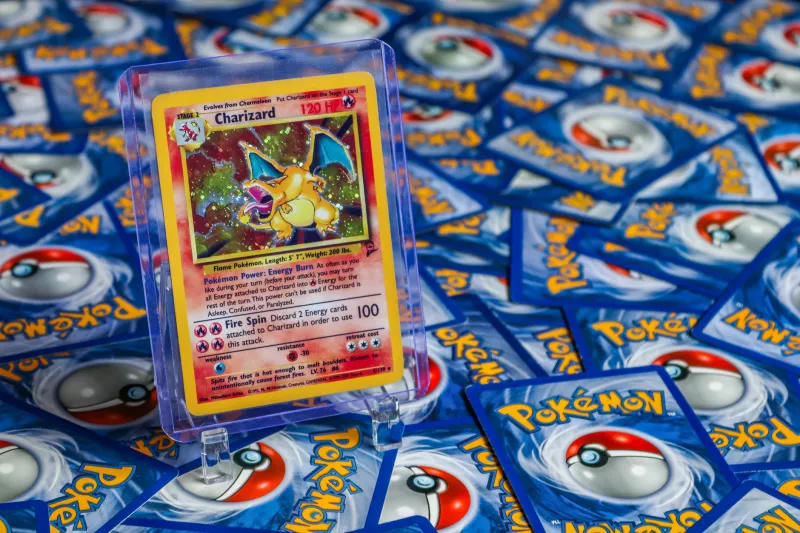
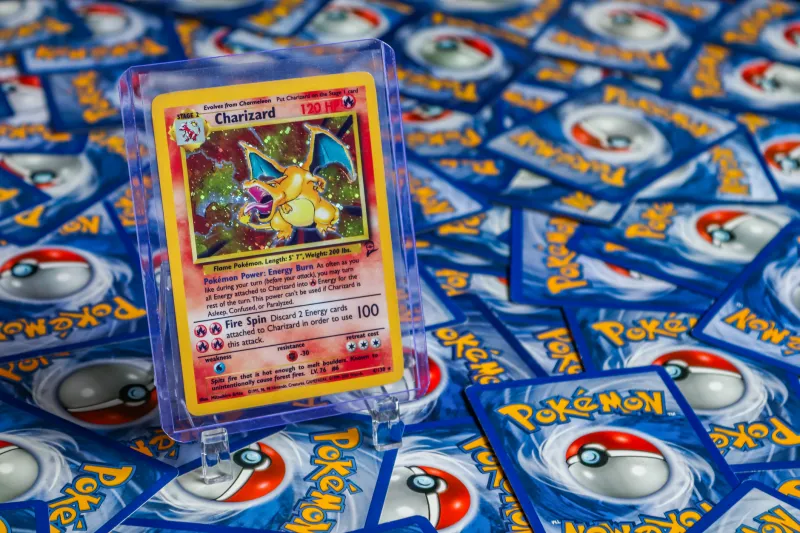
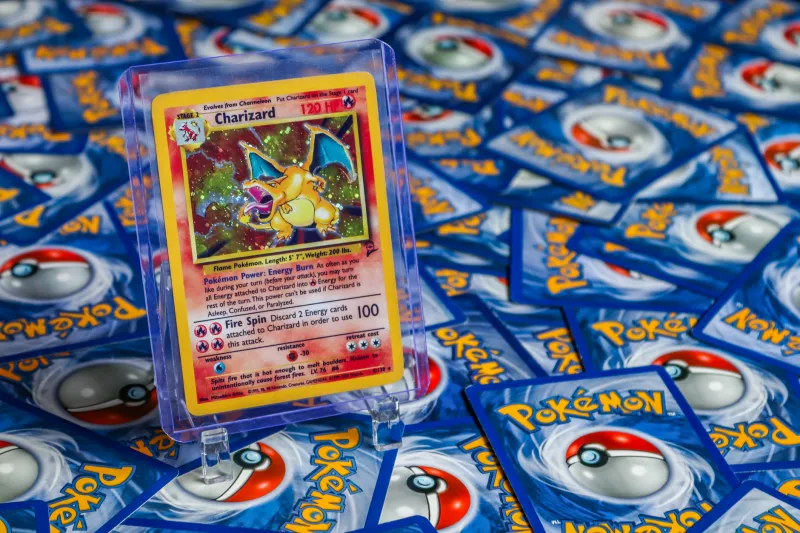
Somewhere between a PSA 10 Charizard selling for $420,000 and a hedge fund manager casually mentioning "collectible diversification" in a quarterly report, Pokémon cards stopped being just a hobby. They became an asset class. And while that might sound like a stretch — or maybe a little intimidating — the numbers backing it up are hard to argue with.
This isn't about flipping booster packs at your local card shop for a quick profit. We're talking about financial advisors fielding serious questions about grading fees and climate-controlled storage. We're talking about ROI comparisons sitting in the same spreadsheet as real estate and index funds. The Pokémon TCG, particularly the vintage end of it, has crossed into territory that would've seemed absurd back when you were trading Base Set cards at recess.
So what actually happened here, and what does it mean if you've got a collection sitting in a binder right now?
The Numbers That Made Wall Street Pay Attention
Let's start with the data, because it's genuinely wild. A PSA 10 Base Set Shadowless Charizard was selling for around $500 to $1,000 in the mid-2010s. By 2021, that same card was clearing six figures at auction. Even accounting for the post-pandemic market correction, heavily graded vintage holos have retained significantly more value than most people expected once the hype settled.
According to data tracked by platforms like PWCC Marketplace — which functions essentially as a stock exchange for graded cards — top-tier Pokémon cards have outperformed the S&P 500 on a 10-year rolling basis in several key categories. That's not a talking point from a card dealer trying to move inventory. That's institutional-grade market tracking.
Alternative asset research firms, including those that traditionally focused on fine art and rare wine, have started including Pokémon cards in their collectibles indices. The reasoning is straightforward: scarcity, cultural relevance, global demand, and a passionate buyer base that trends younger than most traditional collector markets. That last point matters a lot. The people who grew up with Pokémon in the late '90s are now in their 30s and early 40s — prime earning years — and nostalgia has a funny way of turning into purchasing power.
What Financial Advisors Are Actually Saying
Here's where it gets interesting from a personal finance angle. A growing number of certified financial planners across the US are reporting that clients — not just young tech workers, but established professionals — are asking how to properly account for card collections in their net worth statements. Some are asking how to insure them. Others want to know if a graded card collection qualifies as a legitimate alternative asset for estate planning purposes.
The short answer, according to several advisors who've commented publicly on the topic, is: it can. But the same rules that apply to fine art or collectible cars apply here. Documentation matters. Provenance matters. And above all, professional grading matters.
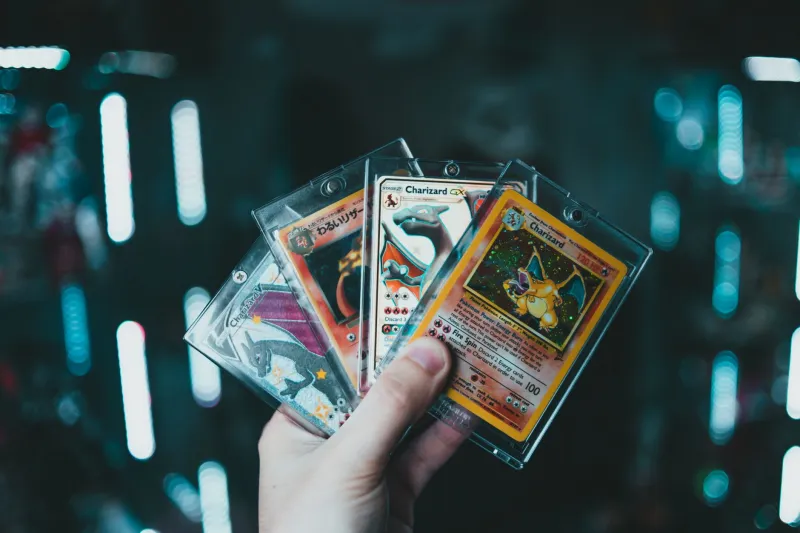
A card sitting raw in a binder is worth whatever someone's willing to pay for it on any given day. A card in a PSA or BGS slab with a documented grade is a standardized, verifiable asset — one that can be bought, sold, insured, and even used as collateral in some lending scenarios. That shift in how a card is perceived, from a sentimental object to a documented asset, is exactly what moved this hobby into portfolio territory.
Why Vintage Is the Real Story Here
Not every Pokémon card is an investment vehicle, and it's worth being honest about that. Modern sets, while fun to collect and sometimes valuable at the high end, don't carry the same scarcity profile as true vintage material. We're talking Base Set, Jungle, Fossil, Team Rocket, and the early Neo series. Cards printed in the late 1990s and early 2000s in quantities that seemed massive at the time but look tiny compared to today's print runs.
The condition ceiling on vintage cards is also brutally low. Wizards of the Coast's early printing quality wasn't exactly engineered for long-term preservation. Finding a genuinely gem mint copy of a 1999 holo rare is legitimately difficult — which is exactly what creates the kind of scarcity that drives serious collector demand. When supply is constrained and demand keeps growing, prices tend to move in one direction.
Institutional buyers understand this. PWCC and similar platforms have reported significant increases in participation from buyers who are explicitly treating vintage Pokémon as a long-term hold, not a flip. That's a meaningful behavioral shift from the 2020-2021 frenzy, which was driven heavily by short-term speculation. What's happening now looks more like the kind of patient, research-driven accumulation you see in mature collectible markets.
So Should You Treat Your Collection Like a Portfolio?
This is the part where we pump the brakes just a little, because The Poke House isn't a financial advice column and we're not about to tell you to liquidate your 401(k) and go all-in on first-edition holos. That would be irresponsible, and honestly, it would also kind of ruin the fun.
But here's what's worth taking seriously: if you already collect, the infrastructure around treating your cards as assets is more accessible than ever. PSA and BGS grading services, while still backlogged, have streamlined their submission processes significantly. Dedicated collectibles insurance policies — companies like Collectibles Insurance Services offer specific coverage for trading cards — are affordable and straightforward. And free tools like TCGPlayer, eBay's sold listings, and PWCC's market data mean you can track your collection's market value with the same kind of attention you'd give a stock portfolio.
Knowing what you have, what condition it's in, and what the current market looks like isn't just good collecting practice. It's good financial hygiene, especially if your collection has grown into something genuinely valuable over the years.
The Bigger Picture
The mainstreaming of Pokémon cards as investment assets is partly a story about nostalgia, partly a story about scarcity economics, and partly a story about a generation that grew up with these cards now having the means to pursue them seriously. But it's also a story about cultural legitimacy.
When a major auction house puts a Pokémon card in the same catalog as a Picasso sketch — and that has literally happened — something has shifted in how the broader world understands what collectibles can be. Pokémon didn't just survive its own hype cycle. It came out the other side with a collector market that's deeper, more sophisticated, and more financially serious than almost anyone predicted.
Whether you're a lifelong collector, a casual fan who stumbled across a childhood binder, or someone genuinely curious about alternative assets, that's a story worth paying attention to. Your cards might be doing more work than you think.