Bulk Pokémon Card Lots Are Costing You More Than You Think
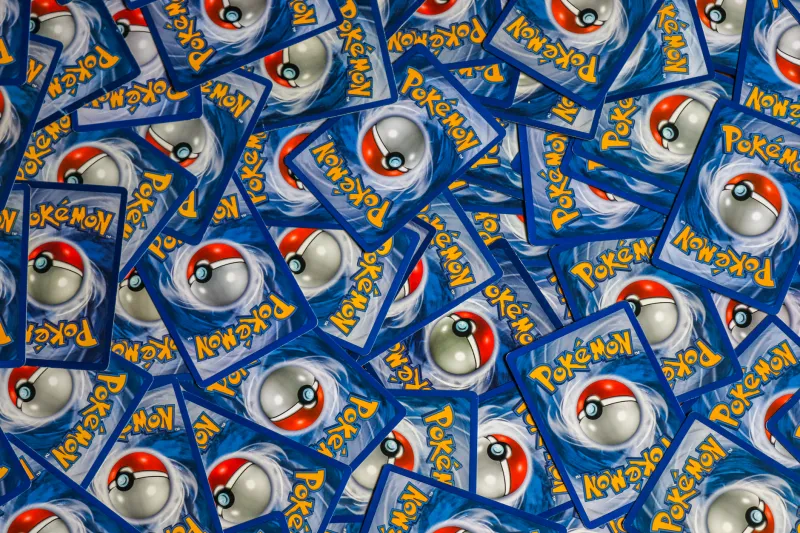
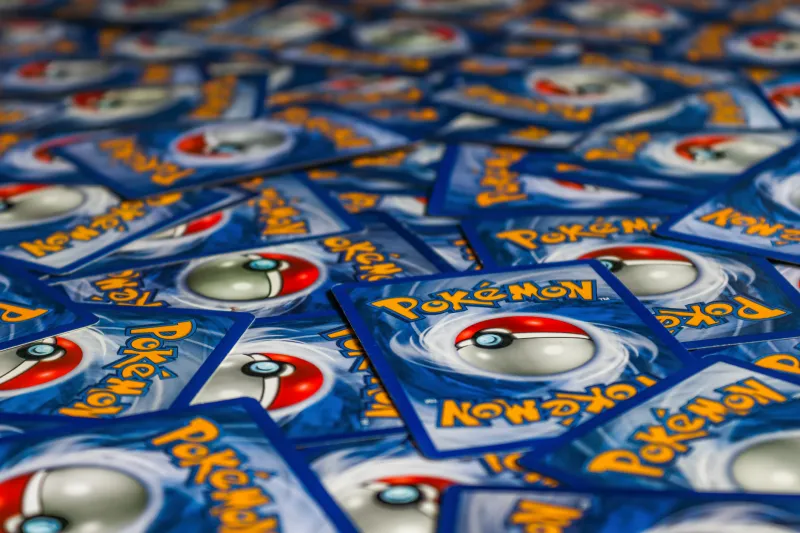
You've seen the listings. "5,000 Pokémon cards — RARE LOT — must sell!" A blurry photo, a suspiciously low price, and a seller with 847 positive reviews. Before you know it, you've hit Buy It Now and you're already mentally sorting through your haul like it's Christmas morning.
Then the box arrives. Forty copies of Pidgey. A stack of XY-era commons so beaten up they look like they survived a washing machine. Maybe — maybe — a reverse holo that eBay comps at $1.20.
This is the bulk trap. And it's eating collectors alive.
Why Bulk Lots Feel Like a Deal (But Usually Aren't)
The psychology here is pretty straightforward: volume feels like value. When a seller lists 3,000 cards for $40, your brain does a quick calculation — that's barely over a penny per card! — and suddenly it seems impossible to lose. But that math only works if the cards actually hold value, and the uncomfortable truth is that the vast majority of Pokémon cards printed in any given set are worth less than the cardboard they're printed on.
Marcus T., a collector and reseller based in Austin who has been flipping cards since the Sun & Moon era, puts it bluntly: "People confuse quantity with quality every single time. I've bought bulk lots where literally 99% of the cards were unplayable commons from sets nobody cares about anymore. You're not building a collection — you're buying someone else's problem."
The FOMO factor makes it worse. Sellers are pros at language like "liquidating collection," "moving fast," or "once-in-a-lifetime lot." These phrases trigger urgency, and urgency kills careful thinking. You stop asking which cards are in the lot and start worrying you'll miss out if you wait too long.
The Off-Meta Card Problem Nobody Talks About
Beyond raw bulk, there's a subtler trap that snags collectors who think they're being smarter: buying off-meta cards that seem undervalued.
The logic usually goes something like this — a card that was relevant in a past competitive format must be due for a comeback, right? Not necessarily. The Pokémon TCG meta shifts constantly, and cards that rotate out of Standard rarely re-enter the spotlight in a meaningful way. Even in Expanded format, the card pool is so deep that yesterday's staple often stays yesterday's news.
Jenna R., a competitive player and collector from the Chicago area who also runs a small online card shop, has seen this pattern repeat endlessly. "Every few months I get customers asking about cards that were hot two or three years ago. They think they're finding hidden gems. But the market already priced those cards correctly — they're low because demand is low, not because everyone else missed something."
The data backs her up. If you look at historical price tracking on sites like TCGPlayer and CardMarket, the overwhelming majority of non-chase, non-staple rare cards follow a predictable arc: spike at set release, drop within 90 days, and then flatline — sometimes for years.
What Actually Appreciates (And What Doesn't)
So what should you be looking for? Experienced collectors point to a few clear patterns.
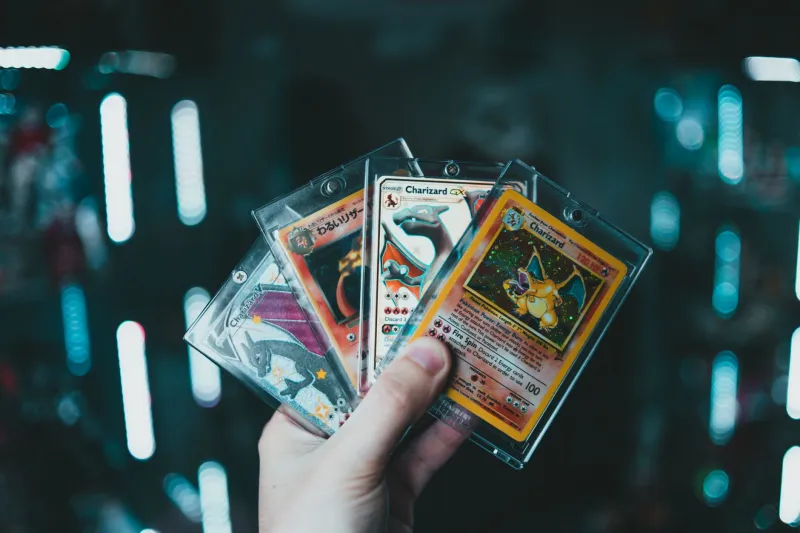
Chase cards from iconic sets hold their value best. First-edition Base Set cards, early Wizards of the Coast holos, and the major chase cards from modern sets with crossover appeal (think cards featuring fan-favorite Pokémon like Charizard, Pikachu, or Eevee) have demonstrated consistent long-term appreciation. These aren't bulk finds — they're targeted purchases.
Full Art and Special Illustration Rares from current sets are the modern equivalent. Cards from Scarlet & Violet sets featuring Special Illustration Rare (SIR) versions of popular Pokémon have shown strong secondary market retention, especially sealed or near-mint copies. These are the cards worth pulling from packs or buying singles for — not the stuff padding out a bulk lot.
Sealed product beats bulk cards almost every time. If you're thinking about $50 to spend, a booster pack bundle or even a single sealed booster box has historically outperformed a $50 bulk card lot in terms of long-term value. Sealed product appreciates. Opened commons do not.
Marcus adds one more rule he swears by: "If you can't identify at least five cards in a lot by name and know their current market price before you buy, you're gambling, not collecting."
The Marketing Machine Behind Bulk Listings
It's worth understanding that bulk lot sellers aren't just regular folks clearing out their closets — many are small-scale resellers who have already cherry-picked the valuable cards before listing what's left. That "unsearched collection" almost certainly has been searched. The seller kept the good stuff and packaged the rest in a way that looks appealing to someone who doesn't know better.
This is especially common on platforms like eBay and Facebook Marketplace, where the lack of itemized card lists makes it impossible to evaluate what you're actually getting. Some sellers will throw in one or two legitimately decent cards to make the lot photograph well, then fill the rest with filler. It's not technically dishonest — they're selling exactly what they show — but it's designed to exploit the gap between what buyers hope is in the box and what's actually there.
How to Shop Smarter
None of this means bulk purchases are always a bad idea. If you're a newer collector just trying to fill out a binder with playable cards for casual games, a cheap bulk lot can be a fine way to get a variety of cards without spending a ton. The problem is treating bulk like an investment.
Here's a practical framework before you pull the trigger on any lot purchase:
- Ask for a card list. Any serious seller should be able to provide one. If they won't, walk away.
- Run the comps yourself. Take a sample of the listed cards and price them individually on TCGPlayer. If the math doesn't add up to at least 2x your purchase price, the lot isn't worth it.
- Ignore the volume. Five hundred cards at $40 is not a better deal than fifty cards at $40 if those fifty cards are actually worth something.
- Know your goal. Are you collecting for fun, for competition, or for investment? Your answer should completely change how you evaluate a purchase.
The Pokémon card market is genuinely exciting right now, and there are real opportunities for collectors who do their homework. But the bulk lot trap is real, it's persistent, and it's claimed the wallets of more enthusiastic collectors than anyone likes to admit.
Don't let the next blurry eBay photo be your financial villain origin story.