Your Cards Can Work For You: Smart Ways to Earn From Your Collection Without Letting Go of a Single Favorite
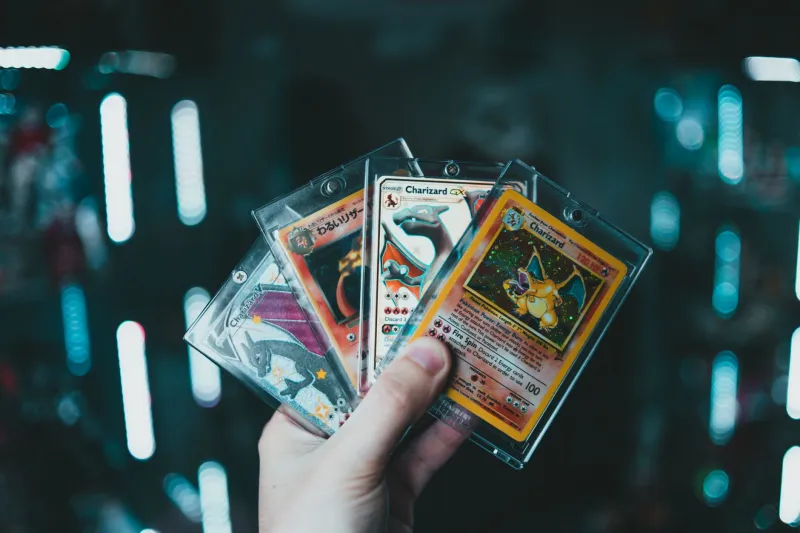
There's a moment every serious Pokémon collector knows well. You're staring at your binders, maybe doing a rough mental tally of what everything's worth, and a thought creeps in: could this collection actually be making me money? The problem is, the obvious answer — sell stuff — feels like defeat. You've spent years tracking down that Charizard ex or that first-edition Base Set Machamp. Letting them go for a quick buck isn't exactly the dream.
Here's the thing, though: selling isn't your only option. A surprisingly active underground economy has grown up around Pokémon collecting, and collectors across the US are quietly using it to generate real supplemental income. We dug into the strategies, talked to a handful of community members who've made it work, and put together a practical guide for anyone who wants their collection to pull its weight — without gutting it.
The Rental Market Is More Real Than You Think
Yep, card rentals are a thing. If you've got a stacked collection of competitive staples — think Iono, Boss's Orders, or high-value Pokémon ex cards from the current Scarlet & Violet format — tournament players who are newer to the scene or just testing a deck before buying in will sometimes pay to borrow them for a regional or local event.
This happens most organically through Discord servers tied to local Pokémon leagues and regional competitive communities. Platforms like TCG Rentals have also tried to formalize the process, though a lot of it still runs on trust within tight-knit groups.
"I started doing rentals almost by accident," says Marcus, a collector and casual competitive player from the Chicago area. "A friend needed a couple of ACE SPECs for a regional and I had extras. He paid me a flat fee for the weekend, returned them in perfect condition, and suddenly I had a new side hustle."
The key here is establishing clear agreements upfront — condition expectations, return timelines, and a deposit or collateral arrangement if the cards are worth serious money. It's not a passive income stream exactly, but for collectors sitting on redundant copies of meta staples, it's found money.
Content Creators Are Hungry for Your Cards
Pokémon content on YouTube and TikTok is enormous, and a lot of creators — especially mid-tier channels doing pack openings, deck profiles, or collection showcases — don't own every card they feature. Some will pay to borrow or temporarily feature specific cards in their videos, particularly vintage pieces or high-grade slabs that photograph well.
This is a niche opportunity, but it's real. Reaching out directly to creators in the 10K–200K subscriber range (big enough to have a budget, small enough to be accessible) can open doors. Offer to loan cards for a video in exchange for a fee, a credit, or even just exposure if you're also trying to build a personal brand around your collection.
Sarah, a collector from Austin who focuses on vintage Japanese cards, has done exactly this. "A few creators have featured my cards and paid a small rental fee. But honestly the bigger win was the exposure — my Instagram grew a lot from those videos, and that eventually helped me when I started selling duplicates because I already had an audience."
Which brings us to the next piece of this puzzle.
Bulk Commons Are Boring — Until You Know Where to Sell Them
Every collector has boxes of bulk commons and uncommons they're not sure what to do with. Selling them to your local game store usually means pennies on the dollar — sometimes literally a penny per card. But the right marketplace changes everything.
Platforms like TCGPlayer, Card Market (for international buyers), and even eBay can yield significantly better returns when you're willing to list cards individually or in themed lots. The trick is identifying which "bulk" cards actually have demand. Cards used in popular budget decks, cards with art that appeals to casual collectors, and cards from sets that have rotated out of Standard but remain relevant in Expanded or Unlimited formats all tend to move better than their bulk price suggests.
Facebook Marketplace and local buy/sell groups are also underrated. "I sold a shoebox of common energy cards and trainer staples to a dad who was building his kid's first deck," says Derek, a longtime collector from Phoenix. "He paid way more than a store would have because it was convenient and he got exactly what he needed. I made like $40 off cards I was about to recycle."
Bulk selling rewards patience and a little research, but it's one of the most accessible entry points for collectors who want to start generating income without touching their main collection.
The Art of the Strategic Trade-Up
This one's less about cash and more about increasing the value of what you own without spending more money. The idea is simple: use duplicates and lower-value cards you don't care about to trade into single cards you actually want, ideally ones that are currently undervalued.
Active trading communities on Reddit (r/pkmntcgtrades is a solid starting point), Discord, and local league nights are full of people looking for specific cards who are willing to give up cards you might value more. Learning to spot asymmetric trades — where you give up something you don't need for something the other person undervalues — is genuinely a skill, and collectors who develop it often find their collection improving in quality without their spending going up.
It's not income in the traditional sense, but if your goal is a more valuable collection, strategic trading is one of the most efficient tools available.
Protecting What Matters While You Monetize
A quick word on safety: if you're renting cards, loaning to creators, or selling through individual listings, card condition is everything. Double-sleeving rentals before they leave your hands is non-negotiable. For high-value pieces, consider getting them graded before they enter any kind of lending or public-facing arrangement — a PSA or BGS grade both protects the card and establishes its condition on record.
Keep a simple spreadsheet tracking what's out, who has it, and when it's due back. It sounds tedious, but even a basic Google Sheet has saved collectors from headaches when memories get fuzzy.
Your Collection Has More Potential Than You're Using
The Pokémon card market in the US has matured to the point where there are real, legitimate ways to generate income from a collection without dismantling it. Whether you're renting staples to competitive players, partnering with content creators, or finally moving that mountain of bulk through the right channels, the opportunities are there for collectors willing to be a little entrepreneurial about it.
The best part? Your favorites stay right where they are — in your binder, your display case, or your top loader of honor. They're just finally part of a collection that's working for you.