Buying Pokémon Cards in 2024? Here's What the Market Correction Actually Means for Your Collection
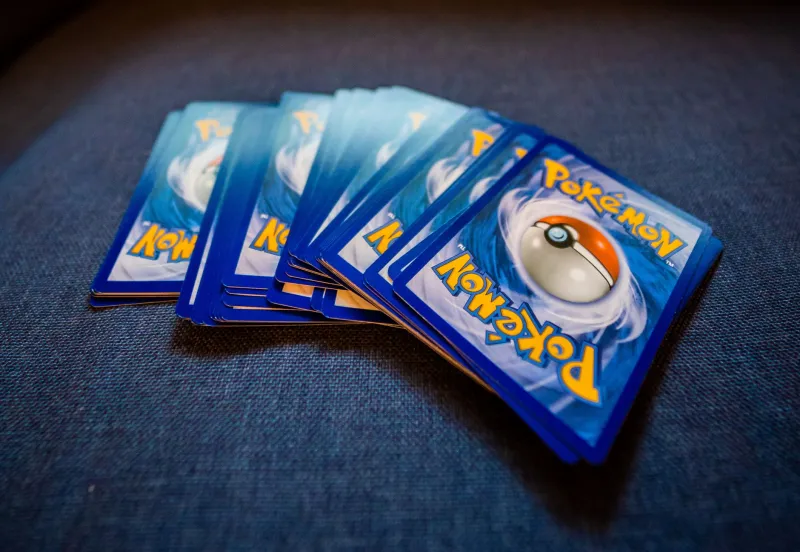
Remember when a first-edition Base Set Charizard felt like a golden ticket? Or when sealed booster boxes were flying off shelves faster than retailers could stock them, with resellers flipping product for triple MSRP? Those days aren't completely gone, but the Pokémon TCG market has gone through some serious growing pains since the pandemic-era boom — and if you're buying cards right now, you need to understand the landscape before you spend a single dollar.
This isn't a doom-and-gloom piece. The market correction that's been rolling through the hobby since late 2022 has actually created some real opportunities for smart collectors. But it's also left a lot of people holding cards they massively overpaid for. Let's break down what's really going on.
What Actually Caused the Correction
The short version: COVID-19 sent Pokémon card demand through the roof. People stuck at home with stimulus checks rediscovered childhood collections, YouTube opened up the hobby to millions of new eyes, and influencers cracking expensive packs became its own entertainment genre. Supply couldn't keep up. Prices went absolutely haywire.
Then The Pokémon Company did something that changed everything — they massively ramped up print runs. Sets like Sword & Shield's later expansions and early Scarlet & Violet releases flooded the market with product. When supply catches up with demand that was already cooling off, prices fall. That's not a scandal; that's just economics. But for collectors who bought in at peak hype, it stung.
Add in the fact that casual buyers who jumped in during 2020 and 2021 started exiting the hobby, flooding the secondary market with cards they'd bought at inflated prices, and you've got a recipe for a pretty rough correction.
Vintage Sets: Who's Holding, Who's Falling
Here's the good news for old-school collectors: truly vintage cards from the Base Set era through early EX series have proven remarkably resilient. A PSA 10 Charizard from Base Set still commands serious money — we're talking well into the five-figure range for the best examples. Shadowless cards, first editions, and high-grade copies of iconic Pokémon like Blastoise, Venusaur, and the original legendary birds have maintained strong floors.
Why? Scarcity. You can't print more of those cards. The supply is what it is, and genuine nostalgia demand from adult collectors with real disposable income keeps the ceiling high.
Where vintage has taken hits is in the mid-tier stuff — NM/LP ungraded copies of popular cards, or graded examples with lower scores (PSA 7s and 8s). These were swept up in the frenzy and priced like they were rarer than they actually are. If you're looking at vintage right now, condition is everything. A PSA 9 or 10 from the right set is still a solid hold. A raw, played copy of a card that was printed in the millions? That's trickier territory.
Neo Genesis and Gym Heroes/Challenge era cards have quietly held up well, partly because they don't get the same mainstream attention but have a dedicated collector base that knows their value.
Modern Releases: Where Collectors Are Getting Burned
This is where things get uncomfortable. A lot of modern Scarlet & Violet product — especially from the first few sets — is sitting at or below retail on the secondary market right now. If you paid above MSRP for sealed product during a hype window, you've likely lost money on paper.
Special Illustration Rares (SIRs) and the top-tier pulls from sets like Paldea Evolved and Obsidian Flames have held up better than bulk rares, but even those have softened from their initial highs. The lesson here is that modern cards are almost always printed in large enough quantities that the market will eventually find a more rational price point — and that point is usually lower than launch-window hype suggests.
There are exceptions. Certain promo cards with genuinely limited distribution, tournament prizing, and regional exclusives tend to behave differently. But if you're buying a booster box from a current set and expecting to flip it for profit in six months, the 2024 market is not your friend.
Strategic Advice for Buyers Right Now
Wait out the hype window. New set releases almost always spike secondary market prices in the first four to six weeks. If you want specific cards from a new expansion, patience is usually rewarded. Prices on most cards — even desirable ones — tend to settle meaningfully within a couple of months of release.
Focus on graded vintage if you're thinking long-term. The blue-chip vintage market has shown it can weather corrections better than modern product. If you're treating collecting as any kind of investment, PSA or BGS-graded copies of iconic cards from the original era have a track record that modern cards simply don't have yet.
Don't sleep on mid-tier vintage. With all the attention on ultra-expensive cards, there are genuinely interesting cards from the early 2000s that are undervalued right now. Neo sets, early e-Card series, and some EX era cards offer real collecting value without the price tags that Base Set heavy hitters command.
Buy what you actually love. This sounds like obvious advice, but it matters more in a correcting market. If you're buying a card because you genuinely want it in your collection — not because you think it'll be worth more next year — you won't feel burned if the price dips. Collect with your heart, budget with your head.
Track prices before you buy. Tools like TCGPlayer's price history graphs and recent eBay sold listings are your best friends. Don't take a seller's word for what a card is worth — check what it actually sold for in the last 30 days.
Is This a Buying Opportunity or a Warning Sign?
Honestly? Both. For collectors who want to build a meaningful collection without overpaying, 2024 is genuinely one of the better entry points in recent memory. Modern product is closer to rational pricing than it's been since before the pandemic boom. Some vintage cards have come down from their absolute peaks, making them more accessible than they were in 2021.
But the days of buying anything Pokémon-adjacent and watching it double in value are over — at least for now. The collectors who are going to thrive in this market are the ones who do their homework, buy intentionally, and think about what they actually want from the hobby.
The Pokémon TCG isn't going anywhere. The games are still massive, new generations of fans are always coming in, and the community around collecting is as active as ever. The market just needed to find its footing after a genuinely unprecedented few years. For patient, informed collectors? That's not a crisis. That's an opportunity.