Standard Format Is Pushing Players Away — And the TCG Community Is Done Pretending Otherwise
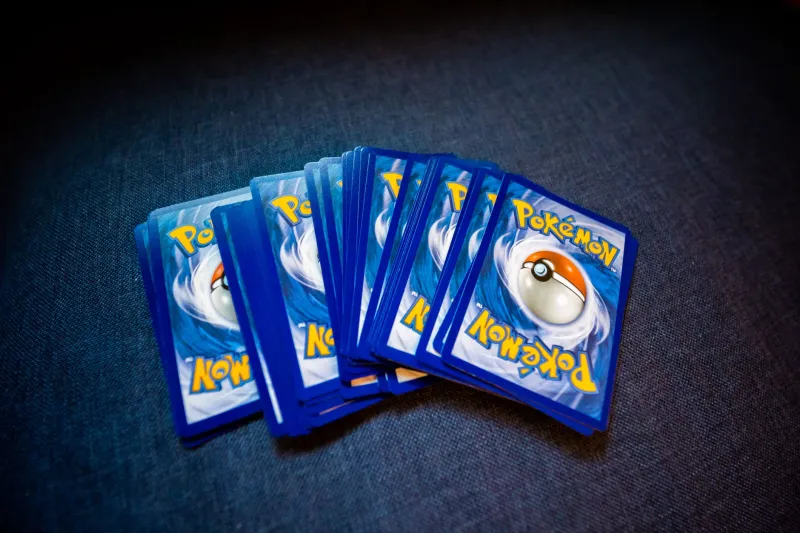
There's a conversation happening at local game stores across the country that The Pokémon Company probably doesn't love. It usually starts with someone pulling out a freshly sleeved deck, sighing, and saying something like, "I just spent $200 on this thing and half of it rotates out in four months." Then someone else nods. Then someone else. And before long, the whole table has quietly agreed that maybe they'd rather just play Unlimited tonight.
This isn't a new problem, but it's getting louder. Standard format — the flagship competitive format for the Pokémon TCG — is bleeding players into casual spaces at a rate that's hard to ignore. And if you spend any time in collector communities on Reddit, Discord, or even at your local prerelease event, you'll hear the same frustrations over and over again.
What Rotation Actually Costs You
For anyone unfamiliar with how Standard works: the format limits legal cards to a rolling window of recent sets, typically covering the last two to three years of releases. When a new rotation hits, entire sets get cut from the format, and any deck built around those cards becomes instantly obsolete for competitive play.
On paper, rotation exists to keep the meta fresh and prevent older, overpowered cards from dominating forever. That's a reasonable goal. The problem is what it costs players in real dollars.
A competitive Standard deck in 2024 can run anywhere from $150 to $400 depending on the archetype. Cards like Charizard ex and Gardevoir ex don't come cheap, and the staple trainer cards and energy combinations needed to build a functional deck add up fast. When rotation strips those investments away — sometimes after less than two years of competitive viability — it creates a financial anxiety that's genuinely driving people out of the format.
This isn't abstract. Talk to players at any regional event and you'll find people who have quietly stopped buying singles for Standard because they don't trust the investment anymore.
The Magic: The Gathering Comparison Nobody Wants to Hear
Here's where things get a little uncomfortable: Magic: The Gathering has been dealing with rotation for decades, and while it has its own set of criticisms, the MTG community has generally built a culture around format diversity that Pokémon hasn't quite matched.
Magic players who burn out on Standard migrate to Modern, Pioneer, Legacy, or Commander — formats with their own thriving competitive and casual ecosystems, each supported by official Wizards of the Coast infrastructure, prize support, and organized play. The game has essentially built off-ramps for players at every stage of frustration.
Pokémon's answer to that has historically been... not much. Unlimited format exists, but it's largely unsanctioned at the official level. Theme Deck format had a moment but never reached the mainstream traction it deserved. Expanded format, which covers a broader card pool, gets occasional event support but rarely feels like a first-class citizen in the organized play ecosystem.
The result is that when Standard players hit their wall, there's no well-lit path to follow. Some find their way to Expanded. Many drift into casual kitchen-table play. A significant number just... stop playing competitively altogether.
The Collector Angle Changes Everything
Here's what makes this conversation especially interesting for a site like ours: the line between collector and player in the Pokémon community is blurrier than in almost any other TCG.
Magic players and collectors tend to occupy pretty separate worlds. But Pokémon? A huge chunk of the player base is also collecting. They care about card art. They care about alt arts and full arts and secret rares. And they absolutely care about whether the cards they're buying are going to hold value.
When Standard rotation hits, it doesn't just affect deck builders — it tanks the secondary market value of competitive staples almost overnight. A card that was worth $40 as a format staple can drop to $8 after rotation. For someone who bought it as both a playable card and a collectible, that stings twice.
This is a dynamic that Magic has somewhat addressed through the Reserved List and the Commander format's appetite for older cards. Pokémon doesn't have an equivalent safety net. The closest thing is nostalgic demand for vintage cards, but that doesn't help someone who bought into the Paldea era expecting more than 18 months of relevance.
What the Community Actually Wants
Spend enough time in Pokémon TCG spaces and a few consistent requests bubble up.
Better Expanded support. Expanded already exists as a format with a longer card lifespan. Players want official events, prize support, and regional-level tournaments built around it. Give people a reason to invest in cards with a longer competitive shelf life and you reduce the financial anxiety that's pushing them away.
Clearer rotation timelines. One of the most frustrating parts of Standard is the uncertainty. Players often don't know exactly when rotation will hit or which sets will survive until a few months before it happens. More transparency here would at least let people make informed purchasing decisions.
A sanctioned casual format. This one sounds counterintuitive, but hear it out: an officially supported Unlimited or "fun" format with its own ladder or event structure would give casual players a home that doesn't feel like a consolation prize. Right now, Unlimited is mostly a grassroots thing. Official backing would change that.
Slower rotation cycles. Some players simply want cards to stay legal longer. Two to three years feels short when you've spent real money building a collection around a specific archetype. Extending the window — even by one set cycle — would meaningfully reduce financial pressure.
The Quiet Migration Is Already Happening
The thing is, players aren't waiting for The Pokémon Company to fix this. They're already voting with their time and money.
Local game stores report that casual nights, Unlimited pods, and theme deck tournaments are drawing crowds that sometimes rival or exceed Standard events. Online communities dedicated to non-rotating formats are growing. Players who used to grind regionals are now hosting living room tournaments with their own house rules and card pools.
None of this is necessarily bad. The Pokémon TCG is a big enough game that it can support multiple communities with different priorities. But it does represent a missed opportunity for organized play to capture energy that's currently flowing into unofficial spaces.
The Bottom Line
Standard format isn't going away, and it probably shouldn't. Rotation serves a real purpose in keeping the competitive game from calcifying around a handful of dominant strategies. But the current setup asks players to make significant financial commitments with a pretty short return window — and for a community that skews heavily toward collectors and casual fans, that math doesn't always work out.
The players migrating toward Unlimited and casual formats aren't abandoning Pokémon. They love this game. They just want a version of it that doesn't feel like a subscription service with a mandatory upgrade cycle.
That's not an unreasonable thing to want. And the sooner the organized play structure acknowledges it, the better off everyone in the community will be.